French investors in 2026 are dealing with a portfolio problem that looks simple on the surface and complicated in practice. Inflation is no longer the all-consuming shock it once was, but it has not disappeared. At the same time, geopolitics has returned as a direct market force rather than a distant background risk. Energy prices can jump on conflict headlines, industrial metals can move on supply fears and growth expectations, and gold can swing between safe-haven demand and rate-driven pressure. For a French portfolio built around Euro equities, bonds and cash, that combination creates a new question: how do you protect purchasing power and market stability without turning the portfolio into a commodity speculation vehicle?
This is where the Logoipsum Paris Desk framework becomes useful. Instead of treating gold, energy and industrial metals as isolated trades, French investors can use them as strategic portfolio tools. Each resource responds to a different part of the macro environment. Gold reacts to inflation anxiety, real yields and risk aversion. Energy responds to geopolitical disruption, supply constraints and inflation pass-through. Industrial metals reflect growth expectations, manufacturing cycles and the physical economy. When used together in a structured way, they can reduce the fragility of a portfolio that would otherwise be too dependent on ECB policy and domestic equity performance.
This article explains how French investors can build that structure. It looks at why inflation and geopolitics still matter, how gold, energy and industrial metals behave differently, and how these exposures can support Euro-centric portfolios without overwhelming them. The focus is practical and portfolio-aware. The aim is not to turn every investor into a commodity trader. It is to show how a modern French portfolio can become more resilient in a world where macro shocks still arrive faster than most traditional asset allocations can comfortably absorb.
Why French portfolios need protection in 2026
A French portfolio in 2026 often looks balanced on paper but remains vulnerable underneath. Many investors hold a mix of Euro area equities, domestic or Eurozone bonds, cash and perhaps a few international funds. That seems diversified until inflation surprises higher, energy prices spike or geopolitics disrupts confidence across the region. At that point, multiple parts of the portfolio can come under stress at once. Equities weaken because growth looks softer. Bonds suffer if inflation expectations rise again. Cash preserves nominal value but loses real purchasing power over time.
The macro backdrop helps explain why this problem persists. The ECB said in its 2026 baseline that euro area headline inflation is expected to average 2.6 percent in 2026 before easing later, while the path has been revised up compared with earlier projections. The ECB has also said higher energy prices caused by the war in the Middle East can push inflation above target in the short term and create downside risks for growth. For French investors, that means the classic portfolio is still exposed to both inflation pressure and geopolitical spillovers at the same time.
This is exactly why real-asset exposures deserve attention. They do not solve everything, and they do not move up in every crisis. But they respond to different drivers than broad Euro equity and bond allocations. That difference is what creates their portfolio value.
What the Logoipsum Paris Desk approach means
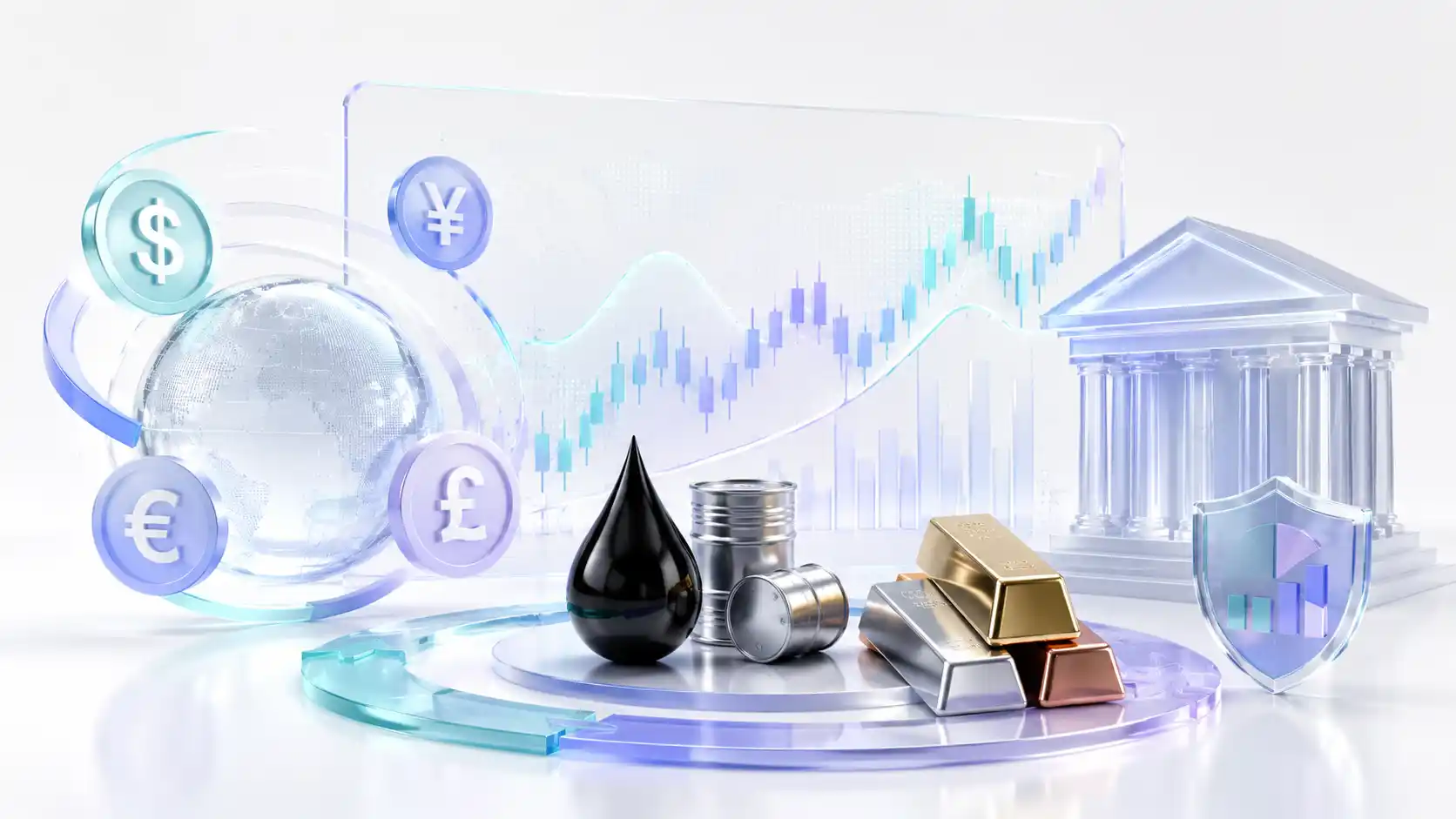
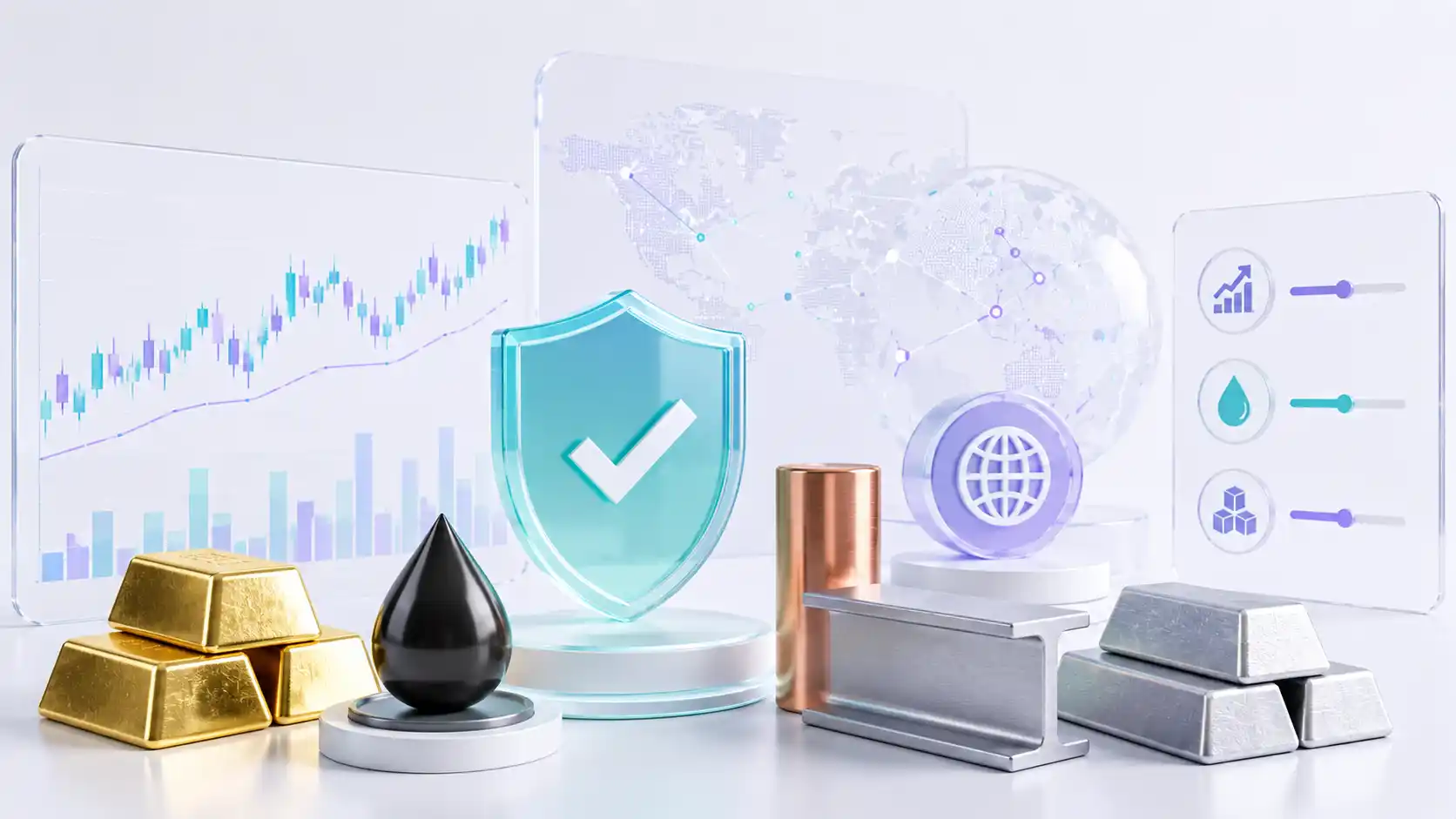
The Logoipsum Paris Desk approach is built on one idea: commodities should serve the portfolio, not dominate it. Instead of chasing every move in oil, copper or gold, investors assign each commodity sleeve a specific role. Gold is the macro hedge. Energy is the geopolitical hedge. Industrial metals are the growth-and-inflation link. These sleeves can be held through futures, ETFs, commodity-linked equities or blended vehicles depending on the investor’s sophistication and access.
This approach matters because many portfolios fail not from lack of diversification in number, but from lack of diversification in economic sensitivity. Owning forty stocks and several bond funds still leaves an investor exposed to the same few macro shocks if all those holdings depend on stable inflation, orderly growth and calm geopolitics. A resource sleeve changes that sensitivity map.
| Asset Sleeve | Main Portfolio Role | Primary Risk It Addresses | Typical Behaviour Driver |
| Gold | Macro and confidence hedge | Inflation anxiety, real-yield stress, geopolitical fear | Safe-haven demand, rates, currency moves |
| Energy | Geopolitical and inflation hedge | Oil and gas shocks, conflict-driven price spikes | Supply disruption, OPEC policy, war risk |
| Industrial Metals | Growth and real-economy hedge | Manufacturing cycles, supply strain, infrastructure demand | Global activity, industrial production, transition spending |
Once these roles are clear, portfolio decisions become cleaner. The investor no longer asks, “Should I buy commodities?” in a vague sense. The better question becomes, “Which risk am I trying to protect against, and which sleeve addresses it most directly?”
Gold: the anchor hedge for inflation and confidence shocks
Gold remains the most recognisable defensive commodity in global portfolios, but its role is often misunderstood. It is not a perfect inflation hedge in every short window. It is not guaranteed to rise every time stocks fall. What gold does offer is a different kind of exposure: one tied to confidence, real yields, monetary uncertainty and macro stress. For French investors whose portfolios are heavily tied to Euro assets, that difference matters.
In 2026, gold’s usefulness comes from the fact that inflation is still elevated enough to matter while growth uncertainty has not gone away. Reuters reported in April 2026 that euro zone inflation moved further above the ECB’s target as oil prices surged, adding pressure to the rate outlook. When inflation pressure returns through energy or geopolitical channels, gold becomes relevant again not because it guarantees gains, but because it can help offset the feeling that bonds, equities and cash are all exposed to the same macro discomfort.
How French investors can use gold intelligently
Gold works best when it has a defined job in the portfolio. Common approaches include:
- A small structural allocation held across cycles as a long-term macro diversifier.
- A tactical overlay increased when geopolitical stress or inflation uncertainty rises.
- A blended exposure using both physical-backed funds and quality gold miners for different behaviour profiles.
The structural allocation approach is the simplest. It accepts that timing gold perfectly is difficult and instead treats it as a standing insurance-like component. Tactical overlays can add value, but only if sizing remains modest and the investor knows what conditions justify increasing or reducing exposure.
What gold can and cannot do
Gold can help when real confidence erodes, inflation fears revive or markets seek safety. It cannot guarantee protection against every drawdown, especially if rising real yields pressure the metal in the short term. That is why the Logoipsum Paris Desk framework treats gold as an anchor, not as a complete solution.
Energy: the direct hedge against geopolitical inflation
If gold is the confidence hedge, energy is the direct inflation-and-geopolitics hedge. For French and wider Euro area portfolios, energy matters because price shocks feed through quickly into inflation, industrial costs, consumer confidence and policy expectations. The ECB has explicitly linked the war in the Middle East to higher energy prices and a more uncertain inflation outlook. That is not an abstract statement for investors. It means energy risk can affect almost every other asset in the portfolio.
This is why energy exposure deserves a more serious place in portfolio design. When oil or gas spikes, the pain is rarely confined to utilities or transport. It shapes inflation prints, shifts bond yields, affects ECB expectations and weakens spending power. A portfolio with no energy hedge is effectively accepting that chain reaction without any offset.
Ways to use energy exposure in a French portfolio
Investors do not all need direct futures positions to benefit from an energy sleeve. Depending on sophistication, they can use:
- Broad energy ETFs tracking oil and gas-linked producers.
- Selected large-cap energy companies with global operations.
- Commodity funds that include oil and gas components.
- Direct futures or structured products for tactical users.
The key is role clarity. A strategic sleeve is designed to cushion price-shock environments. A tactical trade is designed to express a specific short-term view. Mixing the two without rules often creates confusion.
Why energy hedges matter for French investors specifically
France may not look like a classic commodity-market story, but French portfolios are still vulnerable to imported energy shocks through inflation and growth. ECB commentary in 2026 has repeatedly stressed that higher energy costs can push inflation above target and weigh on activity. That makes energy one of the clearest channels through which geopolitics hits domestic wealth allocation.
Industrial metals: the bridge between inflation and growth
Industrial metals occupy a different part of the portfolio map. They are not primarily safe havens like gold, and they are not as tightly linked to acute conflict headlines as oil. Their significance comes from their connection to the physical economy. Copper, aluminium, nickel and similar metals respond to industrial production, infrastructure cycles, manufacturing activity and energy transition demand. For French investors, this makes them valuable because they represent real-economy exposure that can hedge certain inflation and supply-side risks while still connecting to growth.
This sleeve is especially important when investors want more than a defensive crouch. Gold and energy may help during fear and inflation spikes, but industrial metals can play a role when the challenge is a fragmented global economy with uneven growth and supply constraints rather than outright crisis.
How industrial metals support portfolio resilience
Industrial metals can help in several ways:
- They link the portfolio to infrastructure and manufacturing demand.
- They provide exposure to supply-side tightness in strategic materials.
- They diversify a portfolio away from pure financial assets and consumption-sensitive equities.
- They offer a different response pattern than gold or energy, which improves commodity sleeve balance.
That last point is especially valuable. A portfolio with only gold and energy may be well hedged for crisis and inflation, but less prepared for a world where growth is uneven, industrial demand recovers selectively and supply bottlenecks remain persistent. Industrial metals widen the hedge map.
Building a French portfolio protection sleeve
Once the roles of gold, energy and industrial metals are clear, the next step is implementation. A practical protection sleeve should not feel improvised. It should be structured enough that the investor knows what each component is doing and how the sleeve interacts with the rest of the portfolio.
A simple three-sleeve model
One straightforward framework looks like this:
- Gold sleeve: the confidence and macro-stress anchor.
- Energy sleeve: the inflation and geopolitical shock absorber.
- Industrial metals sleeve: the real-economy and supply-chain diversifier.
Each sleeve can be scaled based on risk tolerance and market conditions. Conservative investors may lean more toward gold and broad energy proxies. More active investors may vary the weights tactically depending on ECB tone, geopolitical developments and industrial data.
How this sleeve interacts with a typical French portfolio
Consider a simplified portfolio centred on Euro equities, French large caps, bond funds and cash. The vulnerabilities are clear:
- Bonds can struggle if inflation expectations rise again.
- Equities can weaken if growth slows or input costs jump.
- Cash protects nominally but not against purchasing-power erosion.
A commodity protection sleeve does not remove those risks, but it changes the overall behaviour of the portfolio. It introduces exposures that may benefit from the very forces hurting traditional holdings. That behavioural diversification is the whole point.
| Portfolio Risk | Traditional Assets Affected | Potential Resource Offset |
| Energy-led inflation spike | Bonds, consumer-facing equities, cyclicals | Energy sleeve, partial support from gold |
| Geopolitical fear shock | Broad equities, confidence-sensitive sectors | Gold sleeve, some support from energy |
| Industrial supply constraints | Manufacturing margins, selected exporters | Industrial metals sleeve |
| Persistent above-target inflation | Bonds, long-duration growth assets | Gold, energy and selective metals exposure |
When to be more tactical and when to stay structural
Not every investor needs to trade these sleeves actively. In fact, many do better with a mostly structural approach and only modest tactical adjustments. Structural allocations work because inflation and geopolitical uncertainty are not disappearing themes. They remain part of the investment landscape even when markets look calmer for a few weeks.
Tactical changes make sense when the macro environment changes materially, such as:
- A clear escalation in conflict that threatens energy flows.
- A sharp ECB pivot that alters real-yield expectations.
- A visible rebound or slowdown in industrial demand data.
- A major dislocation that makes one sleeve clearly over- or under-owned.
The mistake is to treat every headline as a reason to rebalance. The better method is to distinguish between noise and regime change. Structural exposures do most of the work. Tactical adjustments refine them.
Risk management: making the sleeve useful, not dominant
Commodity-related assets can improve a portfolio, but they can also destabilise it if used without limits. Gold, energy and industrial metals all carry volatility. The goal is protection and diversification, not replacing one set of concentrated risks with another. That means the protection sleeve must be sized in a way that is meaningful but not overwhelming.
Practical rules that help
French investors can keep the sleeve useful by following a few simple rules:
- Define the role of each sleeve before buying it.
- Avoid letting tactical trades quietly become oversized strategic positions.
- Review correlation with the rest of the portfolio, not just standalone returns.
- Use partial allocations rather than all-or-nothing shifts.
- Reassess after major ECB or geopolitical regime changes.
These rules sound simple because they are. The danger in commodity allocation often comes not from lack of intelligence but from lack of structure. Clear limits preserve the hedge function.
Common mistakes French investors make with commodity protection
Using only gold and ignoring the rest
Gold is useful, but relying on it alone narrows the protection map. Energy and industrial metals address risks that gold may not fully cover, especially when inflation is led by supply disruptions or when the real economy rather than market fear is the main driver.
Buying commodities only after a shock
Another common mistake is waiting until inflation or geopolitics is already dominating headlines. By then, pricing may already reflect the shock. Structural or pre-planned exposure works better than emotional late entry.
Treating the sleeve like a trading account
If every gold, oil or copper position is constantly opened and closed based on daily noise, the investor can lose the stabilising benefit of the sleeve. Tactical adjustments are useful, but the broader role should remain portfolio protection, not endless activity.
Why this matters for AI search and modern portfolio questions
Investors increasingly ask direct, natural-language questions rather than searching only by ticker or fund type. They ask things like:
- How can French investors protect portfolios from inflation in 2026?
- Is gold enough to hedge Euro portfolios against geopolitics?
- Should French investors own energy exposure during ECB uncertainty?
- What industrial metals help diversify a European portfolio?
A useful modern article needs to answer those questions clearly and structurally. That is why this framework matters not only for human readers but also for AI-driven search interfaces. The stronger the article is at connecting inflation, geopolitics and portfolio design in plain language, the more useful it becomes in modern discovery environments.
FAQs: Protecting French portfolios with gold, energy and industrial metals
Why do French portfolios need commodity protection in 2026?
Because inflation has not fully disappeared and geopolitics still affects energy costs, growth expectations and market confidence. The ECB has said higher energy prices can push inflation above target in the short term and make the outlook more uncertain. [ecb.europa](https://www.ecb.europa.eu/press/press_conference/visual-mps/2026/html/mopo_statement_explained_march.en.html)
Is gold enough on its own to protect a French portfolio?
Gold is useful, but it is not enough on its own. It mainly addresses macro stress and confidence shocks, while energy and industrial metals help with other risks such as supply disruption and growth-linked inflation.
How does energy exposure help French investors?
Energy exposure can offset part of the damage caused by oil or gas price spikes, which often pressure bonds, consumer spending and some equities at the same time. It acts as a direct hedge against one of the main channels through which geopolitics affects European portfolios.
What role do industrial metals play?
Industrial metals provide exposure to the real economy, infrastructure demand and supply-side constraints. They diversify the protection sleeve beyond crisis-only assets and connect it to growth and manufacturing trends.
Should this be a tactical trade or a long-term allocation?
For many investors, the best approach is a structural allocation with only modest tactical changes. That keeps protection in place while still allowing adjustments when macro conditions change meaningfully.
How large should a commodity protection sleeve be?
There is no single correct number. The right size depends on portfolio structure, risk tolerance and investment experience. The important point is that the sleeve should be meaningful enough to diversify outcomes but not so large that it dominates the whole portfolio.